How to Write Your Own Cookbook
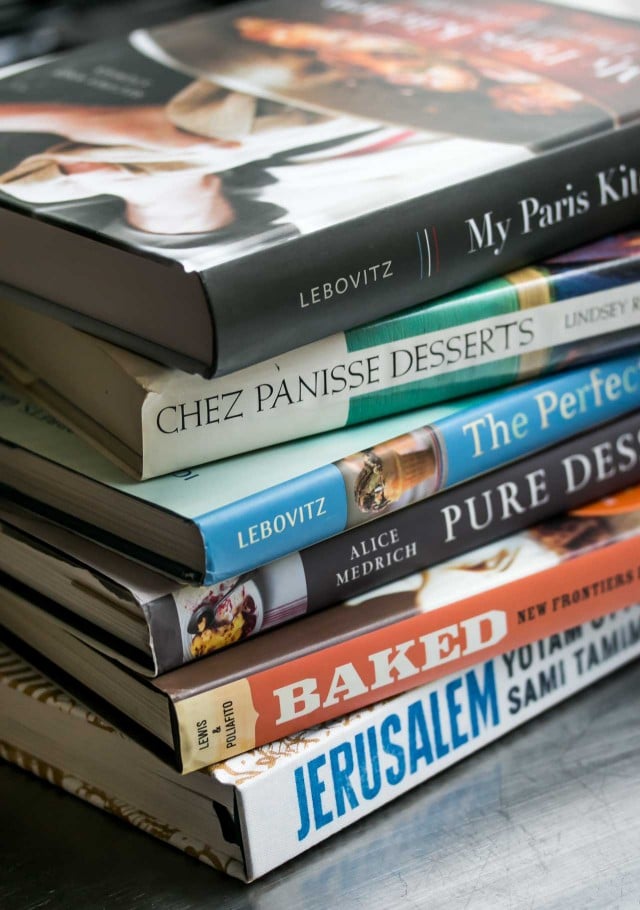
Many people dream of turning their recipes or blog into a cookbook and I hope to answer some of the questions you might have about the process here. Below are some pointers that might help you out, but I’ve curated several excellent links from around the internet from experienced cookbook authors and editors whose advice I found particularly valuable and insightful. Interspersed in this post are a lot of questions for you to ask yourself. There are no right or wrong answers, just points to consider and to help you refine your idea as you pursue your cookbook goal. These are not meant to discourage, but to encourage you to think about your project so that you can best position it, in case you decide to try to go for it and get published.
[Note: This post was revised and updated in 2018, to reflect some of the changes and innovations in the publishing industry, including some self-publishing options.]
Here are ten tips to help you get started:
1. Start With A Great Idea
Come up with an idea. And while you’re at it, make it a good one. Perhaps you have a bevy of good recipes. Or you want to be famous and have a show on television. Maybe you want to be rich. All are reasons to write a book. But the best reason is that you want to share your great food and terrific stories with readers. If you look at your favorite cookbooks, each one has at least one recipe that’s amazing, that you make over and over again. If it’s not the recipes, it’s the author’s voice ringing through and you like thumbing through that book for the writing or the photographs. In either case, there’s something about it that excites you.
As someone once wrote about Julia Child “…everyone wants to be her, but no one would dream of putting in 10 years of obsessive work on a cookbook.” Yes indeed, Julia spent ten years writing Mastering the Art of French Cooking. Are you willing to spend ten years laboring over a manuscript? That’s probably not likely with today’s one-year deadlines, but you should believe in your idea enough to obsess over it 24/7 while you’re writing it, and be willing to spend a big chunk of your life devoted to it as you go.
Note: If you want to contact someone who is a cookbook author, agent, or editor to pick their brain, be aware that you are asking someone to take time from their own work and life, to consult with you on yours. Read Modern Etiquette: Asking for a favor, which has guidelines on how to approach someone. Keep inquiries short and sweet. Get to the point – don’t just write to someone and say, “I want to write a cookbook. Can you tell me what I should do?” And for the sake of everyone’s eyes, avoid superfluous text and use spacing between paragraphs when you write to someone. People have limited time so respect that. If someone is a professional editor, ask if there is a fee for the initial consultation if you have a lot of questions and want to set up a time to talk. If you want to be treated as a professional, treat others the same way.
2. Find Your Niche
The keywords these days are saying that you’re doing “seasonal and regional foods,” which isn’t enough anymore. Everyone does that—or says they do…so you’ll need to explain what makes your approach better. There are thousands of cookbooks that come out every year. Think about what makes you buy the cookbooks that you reach for often. Head to your local bookstore or online and see what is out there to see if you can offer something new or different. Sorry to say, “One Hundred Meals from Tammy Terrific” can’t compete with “One Hundred Meals from Rachael Ray.”
Evaluate cooking trends. Scope Amazon and cookware shops. Is there a new item on the horizon that might need a cookbook to be sold alongside, like a panini grill, a home smoker, a blow torch, or an ice cream maker? Are there any foods coming down the pipeline that might need recipes or merit further explanation? Soy, gluten-free, whole grains, and home-cooking are all popular right now. But what’s next? Hamburgers? Ceviche? Paleo? A low-protein diet? What’s the next big thing?
3. Find An Agent
While it’s not imperative to have an agent, most editors and publishers give top priority to proposals submitted by an agent. One editor told me she gets twenty proposals a day and doesn’t have the time to even look at most of them let alone respond. The best way to find an agent is to look at cookbooks that you like, check the acknowledgments, and take note of the agent. Then do some research to contact them with your proposal. Read query letter pet peeves from agents, to get a handle on how to approach one. Agents are swamped so be concise. If you don’t hear back, call or write a short message to inquire back. John Grisham had a book rejected sixteen times before it found an agent and other famous authors have similar stories.
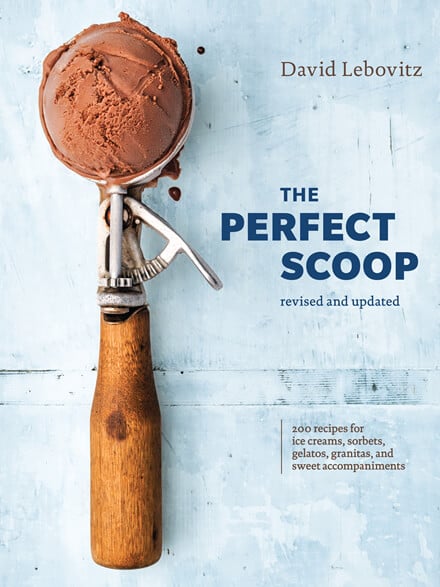
A good agent knows exactly where to send your proposal and is on good terms with the top editors. If an agent accepts your manuscript or proposal, that means they can sell it or will try to. You may get passed over by an agent or editor for no apparent reason (my very successful ice cream book was passed over by an editor because I didn’t have a show on Food Network) – but they may have a similar proposal on their docket or are working with another author in the same genre. (Same with editors. You may simply get rejected based on the fact they have a book in print or in the pipeline on the same subject.)
Done right, with the help of an agent, your well-written proposal can land on an editor’s desk the next day. A good agent will also help a writer shape that proposal and they handle on the contractual and legalese. Not that they have a crystal ball into the future, but they do have their fingers on what’s selling and what’s not. As mentioned, you can sell a proposal without an agent but a good one will understand your concept and work on your behalf to get your book sold. Finding an agent is a crucial part of the puzzle and in my opinion, the one that’s most important.
4. The Proposal
When I tell people I spent around eight months just working on just the proposal for my ice cream book, they’re shocked. But editors want to see a full and clear vision of what you’re going to write about. That’s especially true for a first-time author, but is also the case for someone who’s written several books. Each book is a brand new project and requires a fresh start. And often the editors have to answer to higher-ups in marketing, sales, etc…and don’t necessarily have the last word, so it needs to be the best it can be.
Included in the proposal should be extensive samples of content (stories), the tables of contents, recipe list and sample recipes if applicable, as well as a winning biography of you. And just as important as the content of the book, include an outline for a plan for how the book will sell once it’s published, and what you’ll be doing to promote the book. (Most first-time, or even well-established authors, are expected to handle a lot of their own promotion after the book is published.) The marketing team at a publishing house will review the proposal to see if it’s saleable, so the more you can give them, the better.
Most importantly, this is the time to give this your very best shot. Be concise and self-critical, and only send in your best effort. Editors are simply too busy to take the time to sift through a lot of material so your proposal should be, as they say, a “killer app.”
(Some cookbook authors send sample treats with their proposal. But one editor told me she got a very good proposal which was accompanied by some homemade cupcakes that were so terrible, she found them, half-eaten, and tossed in the trash of the employee break room where she left them for the staff. Not a good sign.)
Proposals are really hard but form the outline of your book. If you need help, you can hire someone who acts as a coach who can help focus, write, and edit with you. Ask about their success rate of having their proposals accepted by publishers. Ask authors for recommendations.
TIP: Publishers these days love numbers. You’ll need to include Facebook, Pinterest, Instagram, Snapchat and Twitter followers, as well as blog traffic. When your proposal lands at an editor, they need to “sell” the idea to the marketing team and nowadays those numbers have become important. They’re not vital, but the more followers that you have, the stronger your proposal will be. If you don’t have high numbers, don’t be discouraged. Explain your social media and blog engagement with readers, which will improve your position. If your numbers are low, explain how engaged with you those followers are. (Add proof of some sort, if you can.)
5. Give It Time
From the time you start writing down ideas, the proposal is written, the book sold, the book written and edited, and then printed and released, most books take much longer to come to fruition than people imagine. Plan on at least two years from the moment you start your quest until you see something tangible.
Most books have a one year lead time, which means you generally have a year to write the book. Then it can take another year to edit, re-test recipes, design and photograph the book. Finally, another year passes before the book is on the shelves.
6. Paying For It
Although it sounds tempting to live off your writing, for most writers, it ain’t their ship coming in. According to Dianne Jacob, in Will Write For Food, in her survey, she notes a first-time author can expect to get a $5k-$25k advance.
But even if you get, let’s say, $50k – that might sound like a lot of money. So figure your agent gets 15%, the IRS gets 27%, then figure $5k in expenses like food costs, printer cartridges (why are those things so darn expensive?), and equipment. And if you’re anything like me, you’ll go through a lot of pajama bottoms too, the preferred uniform of those who work at home. So that’s approximately $25,000 for a good 1-2 years of full-time work. A popular baking author once told me, when I asked if she made money writing book, “Well, it wasn’t my ship coming in!”
Most people who write books do something else to supplement their income: teach classes, lead tours, consult, have a restaurant, or go to real jobs where they have to get dressed and leave the house for each day. Others marry rich, which is not a joke (!)
7. Going Inside and Outside Your Blog to Refine Your Writing Skills
If you have a blog, use your blog to practice and refine what you do. Since anyone can start a blog, use yours to go out on a limb and write something outside your comfort zone. If you’re used to writing recipes, for example, do a review of a product, visit a food producer, conduct an interview—whatever. Keep a theme going, but challenge yourself on occasion. If you want, keep your blog private and just use it for practice. Very few writers just start tapping a keyboard, or pick up a pen, and write something magnificent. I’m the exception. (Just kidding!) Most good writing is editing. Step away, then come back later to your writing. Or ask a friend who has good sensibilities, that you respect, to read what you wrote and get some feedback.
Another option is to use a writing coach. This can be money well spent if they get you motivated to write the book you want to write.
Note: If you’re going to ask someone for help, you should thank them properly. A lot of people give advice freely and graciously; I can’t even begin to thank those who helped me. But do take the time and have the courtesy to acknowledge the assistance of others. It’ll come back to you in spades and you’ll gain the respect and trust of others for acknowledging their contribution to your success.
8. Sell It
Some of this I mentioned before, when thinking about your proposal. But once it’s done, it all comes down to selling. There are lots of great ideas for cookbooks out there, but if you want to do a book, you need to have an idea that’s saleable since most publishing houses are now owned by larger, global media corporations who are looking at the bottom line. But there are independents still out there that do superb cookbooks. See what’s out there, look at what publishing houses are releasing and what people are buying. Differentiate yourself from the pack if necessary, or go with the flow.
Say your book is all about making great salads. Great! Does the world need another book of salads? No. Do you have something extra to offer? Is there something special about your salads that make them different? Are you using a new product or vegetable to make those salads? If you do, that could be your hook.
People often want to publish treasured family recipes. If you are thinking along those lines, make sure to explain what makes your family special, and why are those recipes. Just because friends ask you for them, you need to explain in your proposal that ten- or twenty-five thousand other people will pay $30 for a book of them. Is your family from an ethnic group noted for something special (ie: Korean pickles, Swedish cordials, French dips, etc)? Is there something in your family’s culinary history that stands out?
Italian cooking is another popular topic. You may have a lot of great pasta recipes. But how does that make you different from the multitude of established (and already published) Italian cooking authors, like Faith Willinger or Marcella Hazan? Find what makes you different from the rest of the pack. Is it your take on it? Is it your personality? Are there techniques that are groundbreaking or truly exceptional that you can share?
9. Do It Yourself
If you want to write a book for a specific audience, like your blog readers, or you’re not having any luck finding an agent or publisher, there are plenty of options nowadays to self-publish In the past few years, many options have opened up, such as publishing an e-book through Amazon, Lulu, CreateSpace, Blurb, and Apple. Some authors also do Kickstarter campaigns to raise funds. Be sure to compare the various e-book options to see what percentage they take. Also, Kindle books have limitations in terms of formatting, so they may not be appropriate for your cookbook project if it is design-rich. 
The upside is that you don’t need to go through a traditional publisher and you have complete control over every aspect of the book, but self-published books need to find an audience so they sell best if you have some sort of outlet for sales, such as a blog or another medium. Another aspect is publicity. You won’t have a publishing house behind you pushing your book and making media contacts so you’ll need to take that on yourself. Still, no one’s as concerned about your book as you, and there are many self-published authors that sell a good amount of books on their own.
10. Do You Click?
In these cost-conscious times, if you have photographic skills, that can be a huge plus. Cookbook photography and styling is very expensive, costing $500 and up, per photo. So imagine the budget for a book with fifty, full-color professional photos. (And often the price of the book reflects that.)
If you are a good photographer, or are willing to learn, that can work to your advantage nowadays. If you can do a good job and save the publisher some money, that just might be a major plus in your favor during these cash-strapped times. Include samples in your proposal, but make sure they’re the very best you’re capable of doing.
Lastly, don’t be discouraged. Julia Child was rejected by almost every publishing house because Mastering the Art of French Cooking wasn’t considered a salable book. Later in life, another of her books was turned down, which became a huge success as well. The folks who wrote The Silver Palate Cookbook came up with the idea over drinks at home one night and had no idea what they were doing. But they took a risk, worked hard, and it paid off: They got the book they wanted, it met with great success, and the rest – as they say – is history.
This is just a general overview and there are lots more to consider if you want to write a cookbook. But I hope these questions and suggestions give you a good introduction to the process – good luck!
Useful Books for Cookbook and Recipe Writers
–Recipes Into Type (out of print, but worth tracking down)
These are some links that have very helpful information for those aspiring to write their own cookbook. Some are about first-time author experiences, which chronicle their journey to getting their first cookbook published:
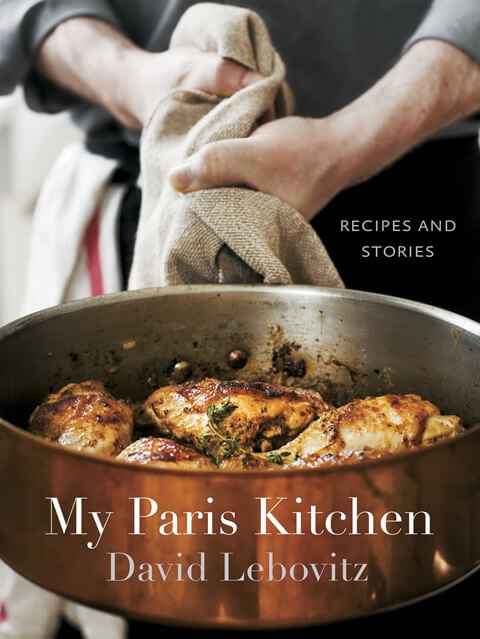
The making of my book, My Paris Kitchen.
How Cookbook Authors Actually Make Money (Cocina to Career)
How to Finally Write Your Nonfiction Book (NYT)
How to Write a Cookbook: 7 Tips (Institute of Culinary Eduction)
The Book Diaries: The Book Deal (A Brown Table)
The Business of Cooking Up a New Book (Lifeandthyme)
A Day in the Life of a Literary Agent (Cooksplusbooks)
10 Things We’ve Learned Writing Cookbooks (The Lee Brothers, Food Republic)
Diana Henry: How to Write a Cookbook (The Telegraph)
5 Research Steps Before You Write Your Book Proposal (Jane Friedman)
How to Write a Book Proposal (Jane Friedman)
A Recipe for Success: Tips for Self-Publishing Your Cookbook (Publisher’s Weekly)
How to Get a Cookbook Published (Andrea Nguyen of Viet World Kitchen)
How to write about food (Adam Roberts of The Amateur Gourmet)
Trying to Find a Literary Agent Is the Worst Thing Ever (Publishers Weekly)
Read how one man’s book became a #1 bestseller—even though it was turned down by 13 out of 14 publishers.
Questions & Answers with Dianne Jacob, writing coach and editor, about writing a cookbook.
Writing a Cookbook Proposal (101 Cookbooks)
How to Write (and Sell) a Cookbook Proposal (Katie Parla)
Ask the Publicists: What’s the one thing I can do for my book? (Lithub)