Gluten-Free Paris
Good news for gluten-free folks! I’ve happily updated this post and list regularly over the years, as Paris has become a more gluten-free-friendly destination, and avoiding gluten is not the obstacle that it once was. That’s not to say you can easily eat everywhere, but nowadays supermarkets carry gluten-free products, and several excellent bakeries offer freshly made gluten-free pastries and breads.
The following are addresses, and some helpful hints, that will help you navigate French restaurants and dining in Paris, including where you can find gluten-free products and foods, gluten-free restaurants, and wonderful French pastry shops and bakeries that are 100% gluten-free.
-Get to know the natural foods shops in Paris.
Well-known natural food stores in France include Naturalia, La Vie Claire, Bio C’ Bon, and Biocoop, and there is a branch of at least one in every neighborhood in the city. All carry gluten-free products and grains. Biocoop is the most varied, although Naturalia has many shops. Most supermarkets in Paris have a gluten-free selection of products as well. You may have to poke around to find it, but they often carry pasta, bread, cookies, and more.
-Check out some of the gluten-free restaurants in Paris.
Noglu is a completely gluten-free restaurant and épicerie. You can read more at my write-up of Noglu. (Note: They closed the Passage des Panorama address.)
Also check out 7 Places to Eat Gluten-Free in Paris (in French, Vanity Fair)
Les Lieux 100% sans gluten à Paris (100% Gluten-Free places in Paris, in French, at Gluten-Free in Paris)
Bears & Raccoons (21, rue Richard Lenoir) Café and coffee shop that’s gluten-free.
42 Degrees features raw, vegan, gluten-free dishes.
Café Mareva – Bakery and café with gluten-free options.
Kapunka – Modern Thai restaurants that are gluten-free. (One address is also vegan.)
42 Degrés – Gluten-free dining.
NOTE: Since starting this list, things have changed dramatically in Paris and a majority of restaurants will guide to toward gluten-free options, although most likely can’t guarantee that there will not be any traces of gluten in the food if they serve other dishes with gluten. Here are a few places that might be pleasing for gluten-free diners: Clamato (mostly seafood), Verjus, Juveniles, Kubri, Holybelly, Comer Paris-Mexico, and Café Méricourt. If making reservations online or by phone, let them know that you are avoiding gluten. And if there is a restaurant that you want to go in Paris that is not on this page, ask them (politely) if they could prepare a gluten-free meal for you.

A few other gluten-free “friendly” restaurants.
Soya (20, rue Pierre Levée, Tél: 01 48 06 33 02) is a hip vegetarian restaurant that has clearly marked gluten-free dishes on the menu. The restaurant isn’t strictly gluten-free.
Breizh Café offers buckwheat galettes, made in the traditional way with only buckwheat flour. Bernadette is another great (and friendly) crêperie that offers gluten-free crêpes. (Both places also serve flour-based crêpes but may reserve a griddle for gluten-free customers. Best to ask.)
Cojean is a chain of small “snack-style” restaurants that offer gluten-free options.
-Check out a gluten-free French bakery or food shop.
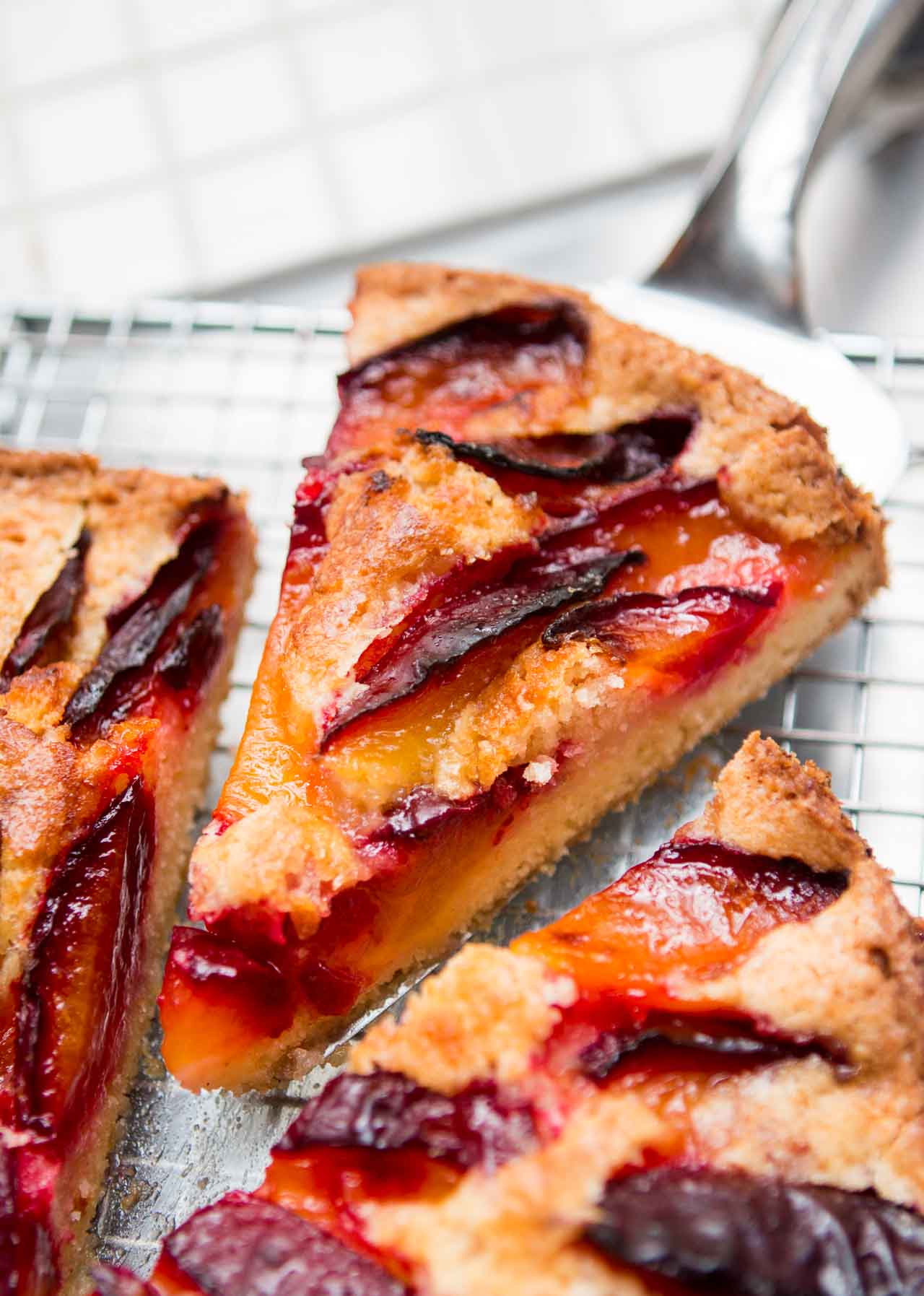
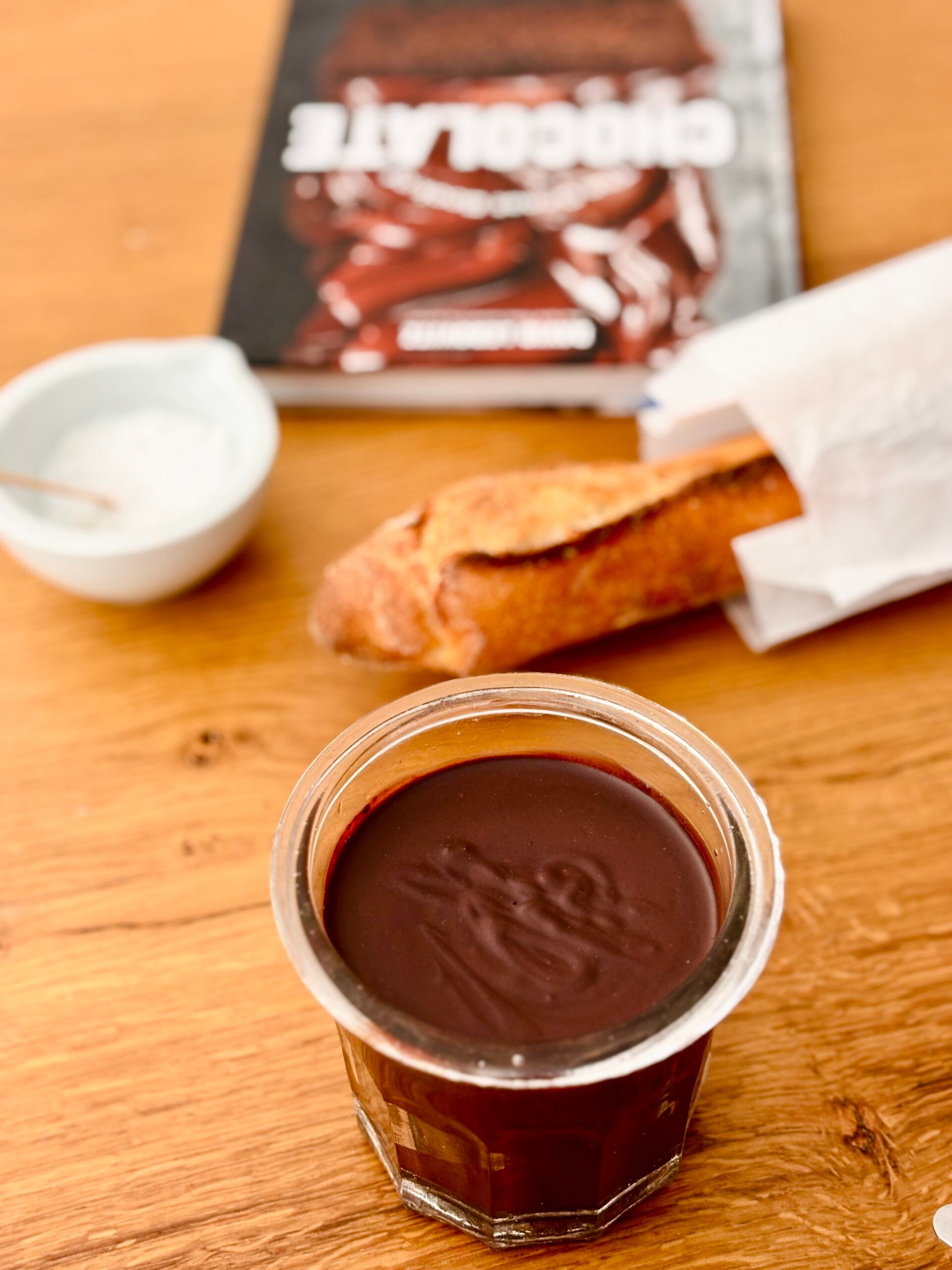
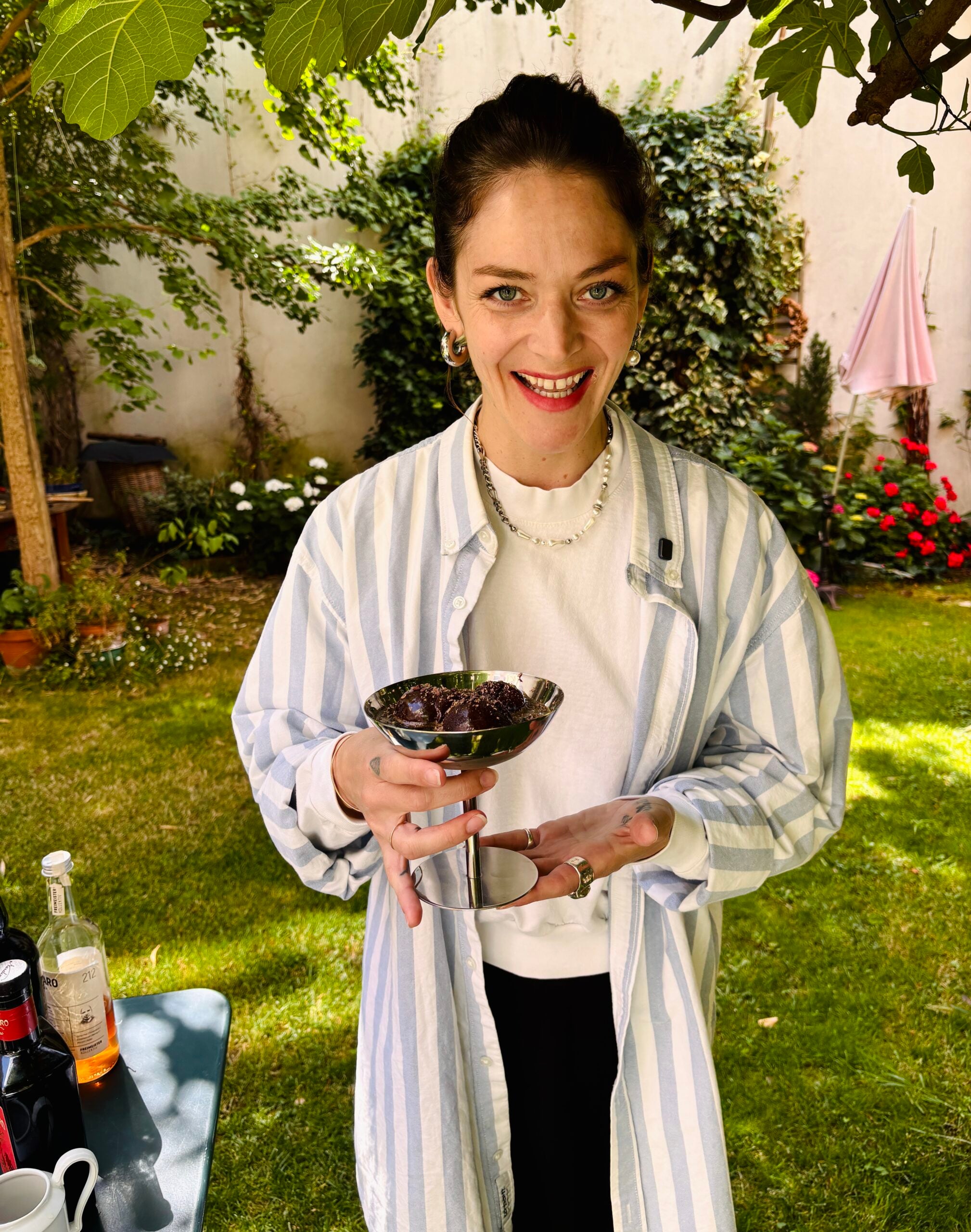
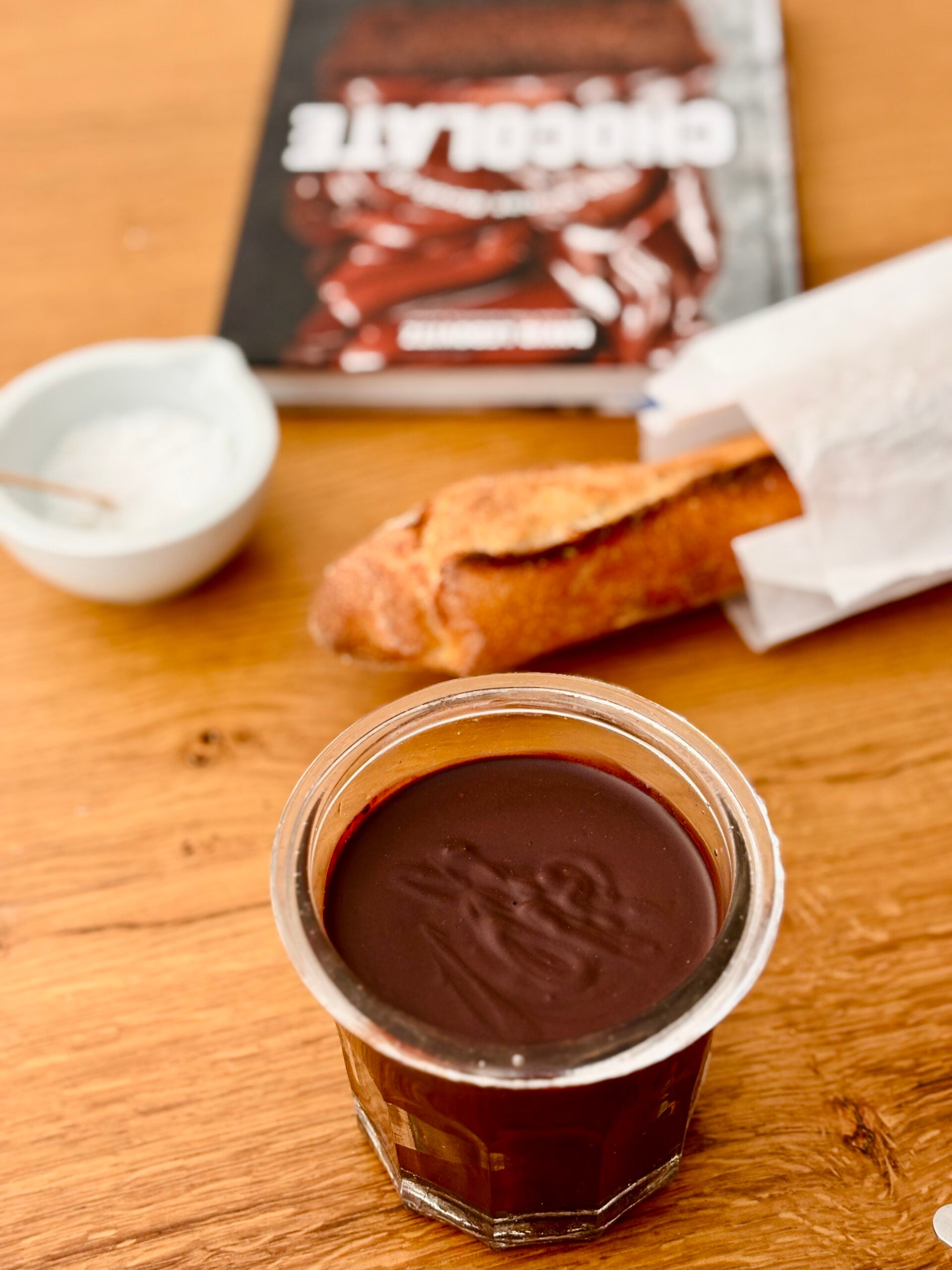
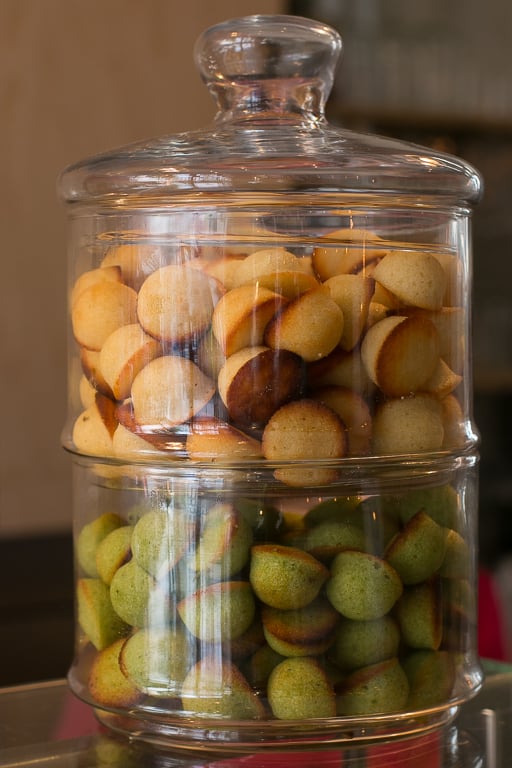
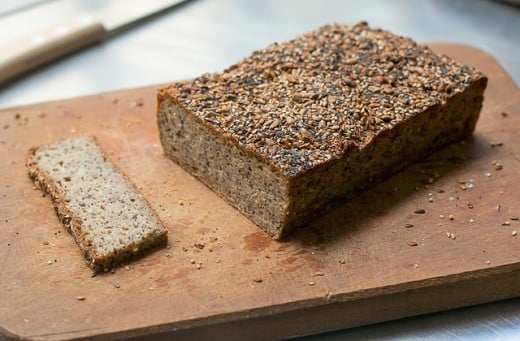
Chambelland Boulangerie (14, rue Terneux, 11th) Excellent gluten-free bread bakery and café. ♥ All photos in this post are from Chambelland.
Noglu Épicerie (16, Passage des Panoramas, 2nd, and another location at 69, rue de Grenelle in the 7th) French pastries and takeaway food.
Christopher Michalak pastry shops have pastries that specifically don’t contain wheat flour.
Some bakeries that aren’t gluten-free, but carry gluten-free bread (made in a shop with regular bread is made) are L’Autre Boulange and Eric Kayser. (Certain branches may or may not carry them.)
Yummy & Guiltfree is a waffle bar, promising gluten-free gaufres (Belgian-waffles)
LBH is a bakery and pastry shop that offers some gluten-free items.
La Guinguette d’Anglèle describes itself as a gluten-free “mini boutique” with takeaway treats.
Clémentine Oliver is a gluten-free bakery that makes bread and pastries.
-Bring a few supplies and snacks from home.
You might want to bring some favorite gluten-free energy bars from home to carry around, to hold you over in case you get hungry when you’re out-and-about. When you’re hungry in an airport or train station, where the pickings may be slim, you’ll be thankful.
-Rent an apartment so you can prepare meals yourself.
Sure it’s nice to go out to eat. But it’s equally fun to shop in a Parisian supermarket or outdoor market. It’s also a great way to sample lots of the cheeses, assemble a big salad, sample the fruits and berries, and enjoy other specialties that you can’t get in restaurants.
Also look for signs for traiteurs, gloriously stocked take-out shops. And keep an eye for things that are “maison”, which means they’re made on-premises and the staff and cooks should know exactly what’s in them and how they’re prepared. And don’t be afraid to ask questions—French people love to talk about food!
-Print out a small card that’s easy-to-read, in French, which very briefly explains your condition.
Servers in France are much busier than their American counterparts since they don’t have busboys, runners, etc…and dining rooms are short-staffed. So make their job easier since they may not have time to play charades with you, and blow you off. Don’t take it personally; just realize they’re busy. Keep it brief so they’re more likely to read it. You can find cards to print out in French here.
-Be a regular at the same restaurants.
Although it’s tempting to try lots of places, most Parisians themselves go to the same restaurants over and over. (They call their favorite their cantine.) Make a nearby restaurant your cantine where the staff knows you. Even if you’re in town for just a week, by your second visit, you’ll be recognized and they’ll look more kindly on you and be much more accommodating.
Also if you dine during slower times, outside of prime dining times (lunch 12:30 to 2pm and dinner 8pm to 11pm) the waiters and cooks will be under less stress and able to look after you better. If dining in a more upscale restaurant, tell them your needs when you make the reservation so they have time to prepare and it’s not such a big surprise.
-Find gluten-free bread in Paris.
Although there are no dedicated gluten-free bakeries that I know of in Paris, Biocoop sells fresh gluten-free bread (although it’s stored on the same shelves, next to the regular bread) as do Naturalia store. Biocoop also has some freshly made gluten-free cakes as well. As mentioned above, both shops have gluten-free sections in their stores that sell a variety of snacks and other foods.
L’Autre Boulange has gluten-free breads, although they are made in a bakery that produces regular bread as well. And Chambelland is a completely gluten-free bakery.
-Apologize for being a bother.
This is the hardest thing for Americans who are used to the ‘Customer Is King’ concept. In France, you may find people less accommodating than you’re used to as food allergies don’t have the same prominence in France as they have elsewhere. Demanding something or causing a scene won’t work to your advantage in France. Don’t demand a restaurant serve you gluten-free food, but instead, apologize for being a bother – then make your request nicely. They’re likely to take better care of you if they are on your side. French people can be very helpful: You just need to make them want to be. As in many places in America, people don’t understand how careful you must be.
If for some reason they’re not taking you seriously, or you’re concerned that you may be getting something with gluten in it, it’s okay to leave something on your plate, or leave before ordering. Apologize for leaving, thank them, and leave. If you make a scene, you’ll regret it. Don’t let it ruin your vacation. Just move on.
If you’ve already ordered or been served, nicely ask the waiter if you have any concerns without being accusatory. If you’re unsure, just drink the wine and ask for a plate of cheese or a salad with oil and vinegar à parte, on the side, since bottled dressings (which are used frequently) often have wheat starch added.
In France, it’s very rare to return food or to change food once it’s brought to the table (or even after it’s been ordered) so you’re likely to be charged for the meal even if you don’t eat it or it’s not to your liking.
Once again, don’t let something minor ruin your vacation. Imagine if a non-English speaking person came to America with a strict dietary need that was not well-known and the waiter didn’t speak their language or understand.
And if you’re frustrated, take another sip of wine and let out an exasperated *sigh*…you’ll fit right in amongst the Parisians!
Bon Appétit!
Gluten-Free Links
Ten Insanely-Good Things You Shouldn’t Miss in Paris: Plenty of great suggestions that are gluten-free.
Top 14 Gluten-free Restaurants in France (Marie France, in French)
Health Care Tips for Traveling to France
National Foundation for Celiac Awareness (US)
l’Association Francaise Des Intolérants Au Gluten: French Association of Gluten Intolerants (In French)
Gluten-Free Passport Travel Guide for France & Italy
Living Gluten-Free For Dummies
Gluten-Free Paris: Links, Tips and Information
Schär Gluten-Free Products: Available in Europe—site has a search engine for stores which stock their products in France.
The American Hospital of Paris has English-speaking doctors in case you need medical care. You will likely have to pay out-of-pocket then apply for reimbursement when you get home, if you’re American.
Groupe d’Etude et de Recherche sur la Maladie Coelique (In French)
A Gluten-Free Guide to Glutinous Paris (Vogue)
French Gluten-Free Food Blogs