How To Temper Chocolate
Why temper chocolate? The short answer is that chemically, chocolate is composed of several different little crystals (six to be exact) but the desirable ones are called beta crystals. The development and formation of these beta crystals are what makes well-tempered chocolate. If you imagine a cup of chicken stock, it may seem uniform, but if left to sit, the fat will rise to the surface.
Chocolate is a suspension (similar to an emulsion), but if warmed and melted, you “break” the suspension. When it cools, the cocoa butter rises to the surface. It’s unattractive but harmless. Some people throw away their chocolate thinking it’s moldy, but it’s usually just fat “bloom.”
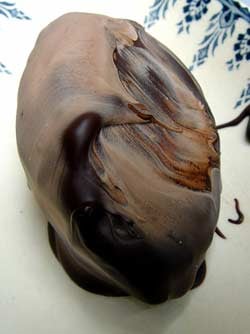
When you buy chocolate for baking, it should arrive well-tempered. (If buying pistoles in bulk, they may be dull from becoming scratched during transport, which is not to be confused with untempered.) But once you chop it up and melt it, the beta crystals change, the chocolate loses its temper, and you’ll need to re-temper it again if you plan to use it as a coating.
Pages and volumes of technical research have been written about tempering chocolate, but here are the main reasons for all you home cooks out there:
- To avoid fat (and sugar) bloom, characterized by unappealing white streaks or blotches on the surface.
- To raise the melting temperature of finished chocolate so it doesn’t melt on contact with your fingers.
- To preserve the keeping quality of chocolate by stratifying the fat.
- To cool chocolate quickly. Tempered chocolate cools fast, within 5 minutes.
- Tempered chocolate will shrink slightly when cooled, which allows it to slip out of molds easily.
- To give chocolate a glossy, shiny appearance, and a crisp, clean snap when you break it.
You don’t need to temper chocolate if you’re going to bake a chocolate cake or make chocolate ice cream. The only time you need to temper chocolate is when you need an attractive, shiny coating for candies that will sit at room temperature. You can get around tempering by dipping chocolates in melted, untempered chocolate and storing them in the refrigerator. Just remove them from the refrigerator a few minutes prior to serving them. The coolness of the refrigerator will stratify the cocoa fat and it won’t bloom.
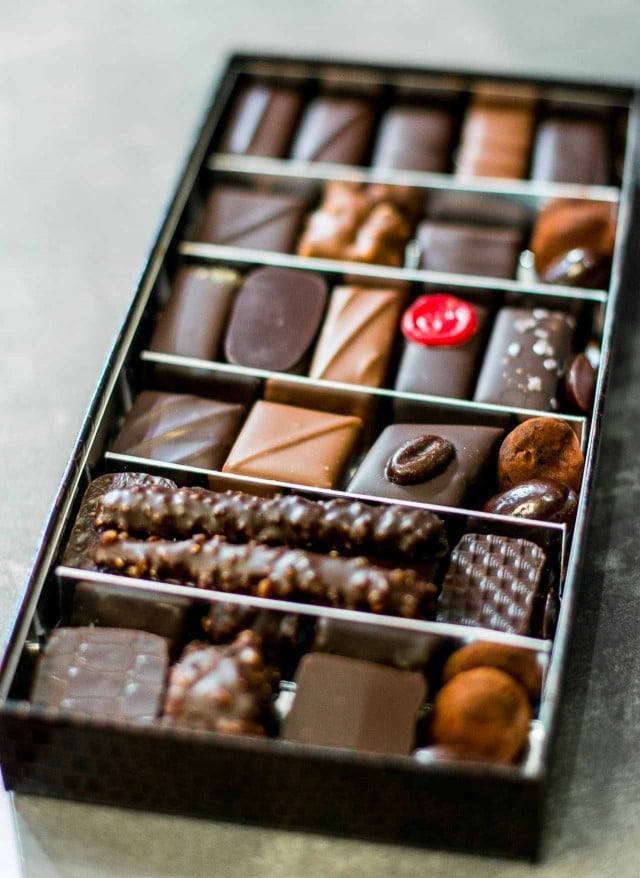
There are different methods for tempering chocolate. Some are a bit complicated, and some are really messy, especially for home cooks. I rely on a thermometer, which is foolproof. It’s best to use a dark chocolate that is no higher than 70% in cocoa solids. Higher percentage chocolates (including some artisan bean-to-bar chocolates) can be quite acidic, and may behave differently.
I developed a simple 3-step method that’s a snap for home cooks. All you need is an accurate chocolate thermometer, although a good digital thermometer will work.
Tempering Chocolate
1. Melt chopped bittersweet or semisweet chocolate in a clean, dry bowl set over simmering water, to about 115º-120º F (46º-49ºC.)
2. Remove from heat and let it cool to the low 80ºs F (27ºC.)
3. Drop a good-sized chunk of solid (tempered) chocolate in, which provides insurance by ‘seeding’ the melted chocolate with good beta crystals. While cooling, stir frequently. Motion equals good crystallization, aka, tempering.
4. The last step is the most important: Bring the chocolate up to the perfect temperature, which occurs in most dark chocolates between 88° and 91° F (31º-32ºC.) Do this by placing the bowl over a pan of barely simmering water for a few seconds, stirring it, then removing it from the heat, and checking the temperature. It will usually take a few tries but as it gets close, it might need just 1 or 2 seconds to reach the right temperature.
Note: Don’t let the melted chocolate rise above 91° F (32ºC) or you’ll have to begin the process all over again.
(Milk chocolate tempers at 86º-88ºF, 30º-31ºC. Please note that chocolates can vary, so check with manufacturer if unsure about your particular chocolate.)
4. Remove what’s left of the chunk of ‘seed’ chocolate, and your chocolate is dip-worthy: you can dip all the chocolates you want and all will be perfectly tempered.
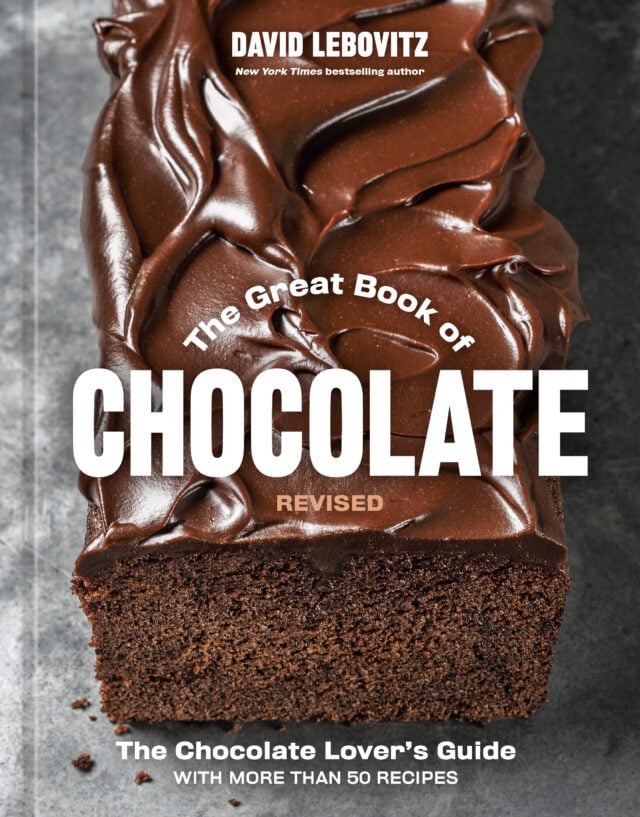
For more chocolate tips, recipes, and information, check out The Great Book of Chocolate
Related Posts and Links
Agave-Sweetened Chocolate Ice Cream (Recipe)
Chocolate-Covered Caramelized Matzoh Crunch (Recipe)
Chocolate-Covered Salted Peanut Caramel Cups (Recipe)
The Easiest Chocolate Ice Cream Ever! (Recipe)
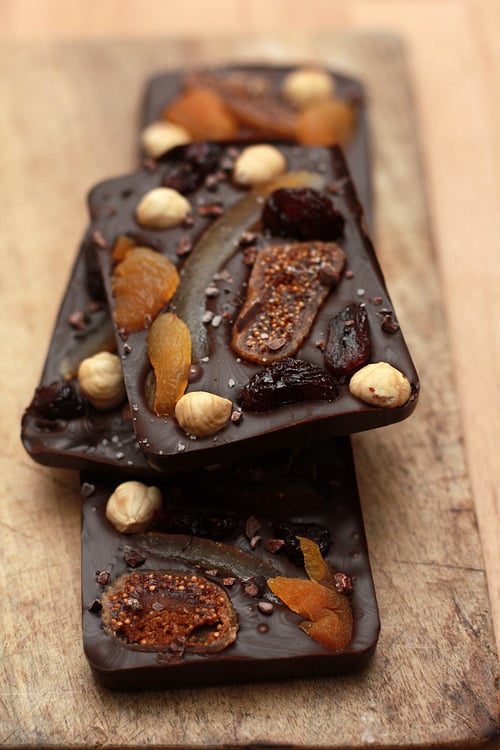
How to Make Homemade Chocolate Bars